



Film playing order:
1. NOBODY #9
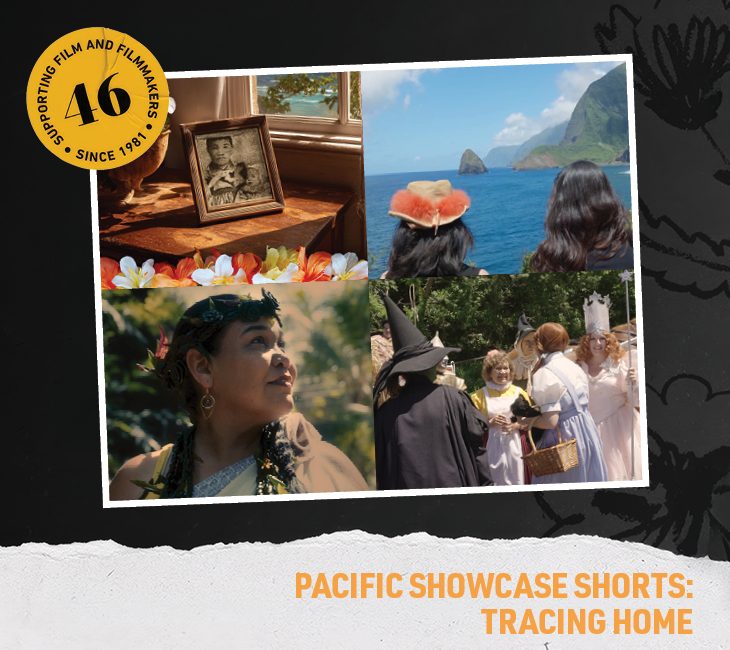
2. PILI HOU-FINDING HELEN
3. WHERE YOU FIND ME
4. HOPE LOA
2. PILI HOU-FINDING HELEN: Oʻahu resident Diane Ako and her family looked for years for their missing matriarch, Helen Maliu, a full Hawaiian woman who vanished one day in 1900 and was never spoken about again. At the time, she was a wife and mother of at least eight children.
When they happened upon documentation that she had died at Kalaupapa, Molokaʻi, they discovered a chapter of their family history that had long been hidden.
It’s a journey of searching — and a little serendipity — for Diane and family to pili hou — rejoin — with her great-grandmother., In the aftermath of World War II, an American family adopted twelve children with ethnic backgrounds from around the world, each of whom had been branded “unadoptable.” Decades after being raised together under one roof, one of those children sets out in search of the Hawaiian family she never knew, uncovering a story of identity and belonging within one extraordinary family that reflects the evolving face of America.
3. WHERE YOU FIND ME follows Betty Ann Bruno’s extraordinary journey from Technicolor Hollywood back to her family’s roots, her identity, and ultimately, Oz. After leaving Hollywood, Betty Ann served in the CIA, became a civic activist in Oakland, ran for City Council, and broke barriers as one of the first Asian-American women in broadcast news, earning two Emmy Awards. She reported stories of national importance, including the Oakland fires—even reporting live as her own home burned. Yet her connection to The Wizard of Oz remained a defining thread throughout her life. The film follows Betty Ann from Sonoma, where she teaches hula, to Oz-Stravaganza in Chittenango, New York, hometown of Oz author L. Frank Baum. At 91, Betty Ann returned to Oz and reclaimed her identity, inspiring generations to follow their own paths with brains, courage, and heart—and reminding us that no matter how far we wander, or how old we become, we can always find our way back home., Oʻahu resident Diane Ako and her family looked for years for their missing matriarch, Helen Maliu, a full Hawaiian woman who vanished one day in 1900 and was never spoken about again.
It’s a journey of searching — and a little serendipity — for Diane and family to pili hou — rejoin — with her great-grandmother.
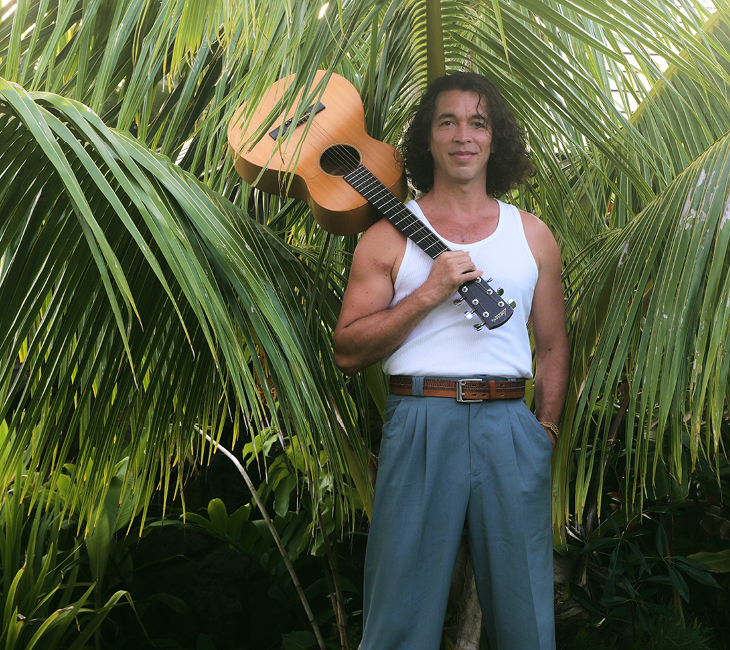
4. HOPE LOA is a moʻolelo (story) that paints the portrait of a Kanaka Maoli (Native Hawaiian) woman, Shereen Balles, as she nurtures her traditions, language, land, and heritage. Woven together through her lei-making and enchanting voice, we intimately explore her lived experiences as a Kanaka Maoli, and what it truly means to live, breathe, and be Aloha ʻĀina – a Lover of the Land. The heartbeat of HOPE LOA is rooted in a legendary proverb by Kanaka Maoli (Native Hawaiian) leader James Keauiluna Kaulia: “A hiki i ke Aloha ʻĀina hope loa (Until the very last Aloha ʻĀina).” His words once rallied his people to persevere in their fight for sovereignty during a time when the nation’s existence was under threat, and they continue to resonate with and inspire Hawaiʻi’s descendants today.
That enduring legacy lives on in the film’s main subject, Shereen Balles, a Kanaka Maoli woman who embodies what it means to be Aloha 'Āina, a Lover of the Land. Through her deep love for lei-making, song, and chant, her story illustrates how each of us can carry this identity forward in our own way – ensuring that there will never be a “hope loa,” never a “very last.”, Shadowed by a lifetime of denying her multi-racial identity, one of the last surviving Munchkins from The Wizard of Oz embarks on a journey to finally find her way home.
Unauthorized commercial resale of Kahilu Theatre tickets is prohibited. Tickets purchased from Kahilu Theatre are intended for the personal use of the purchaser and the purchaser’s guests. As a matter of its Ticket Purchase and Resale Policy, tickets may not be purchased for the purpose of unauthorized commercial resale, and Kahilu Theatre therefore does not authorize third-party ticket brokers, resale websites, or other commercial resellers to purchase or resell Kahilu Theatre tickets unless expressly identified by Kahilu Theatre as an authorized ticketing partner. To enforce the terms and conditions of this Policy, Kahilu Theatre reserves the right, to the extent permitted by law, to (a) cancel ticket purchases reasonably believed to have been made for unauthorized commercial resale; (b) invalidate tickets offered or transferred in violation of this Policy; (c) refuse admission when a ticket has been obtained or transferred in violation of this Policy; and (d) restrict or terminate future ticket-purchasing privileges of persons or entities that violate this Policy. By purchasing a ticket from Kahilu Theatre, the purchaser agrees to the terms and conditions of this Policy. Accordingly, a ticket purchased from an unauthorized commercial reseller may be invalidated, and the ticket holder may be refused admission to the Theatre. Kahilu Theatre therefore strongly recommends that tickets be purchased only from Kahilu Theatre or an expressly authorized ticketing partner.
By continuing to browse this site, you consent to the use of cookies. For more information, please read our Privacy Policy.
